

Technical and Physiological Analysis of Royal Decree 69/2026: Standards on animal welfare and coordination in Spanish livestock farming
The publication of the new Royal Decree, known as Royal Decree 69/2026 of February 4, marks a milestone in Spain’s livestock policy. This regulation not only addresses the need to transpose and consolidate the European Union’s regulatory framework on official controls, but also establishes an unprecedented institutional structure to ensure that animal welfare is treated as a first-rate scientific and administrative discipline. In a global context where animal, human, and environmental health are intrinsically linked under the concept of “One Welfare,” this Royal Decree is positioned as the key tool for implementing standardized technical criteria across Spain’s seventeen autonomous communities.

1. Introduction to the new Royal Decree 69/2026
Royal Decree 69/2026, published in the Official State Gazette in February 2026, aims primarily to regulate organizational aspects related to animal welfare and protection. Its entry into force on February 7, 2026, led to the creation of two key bodies: the coordination committee on animal welfare and protection, and the formal designation of the national reference center for animal welfare.
This provision does not act in isolation, but rather complements and modifies previous regulations, such as Royal Decree 159/2023, to provide the Ministry of Agriculture, Fisheries and Food with a more robust executive and advisory capacity. The regulation’s approach is preventive and risk-based, seeking to ensure that the most advanced scientific knowledge is effectively transferred to the daily operations of Spanish farms to guarantee comprehensive animal welfare.
2. Previous Situation: Coordination Committee and the new Royal Decree
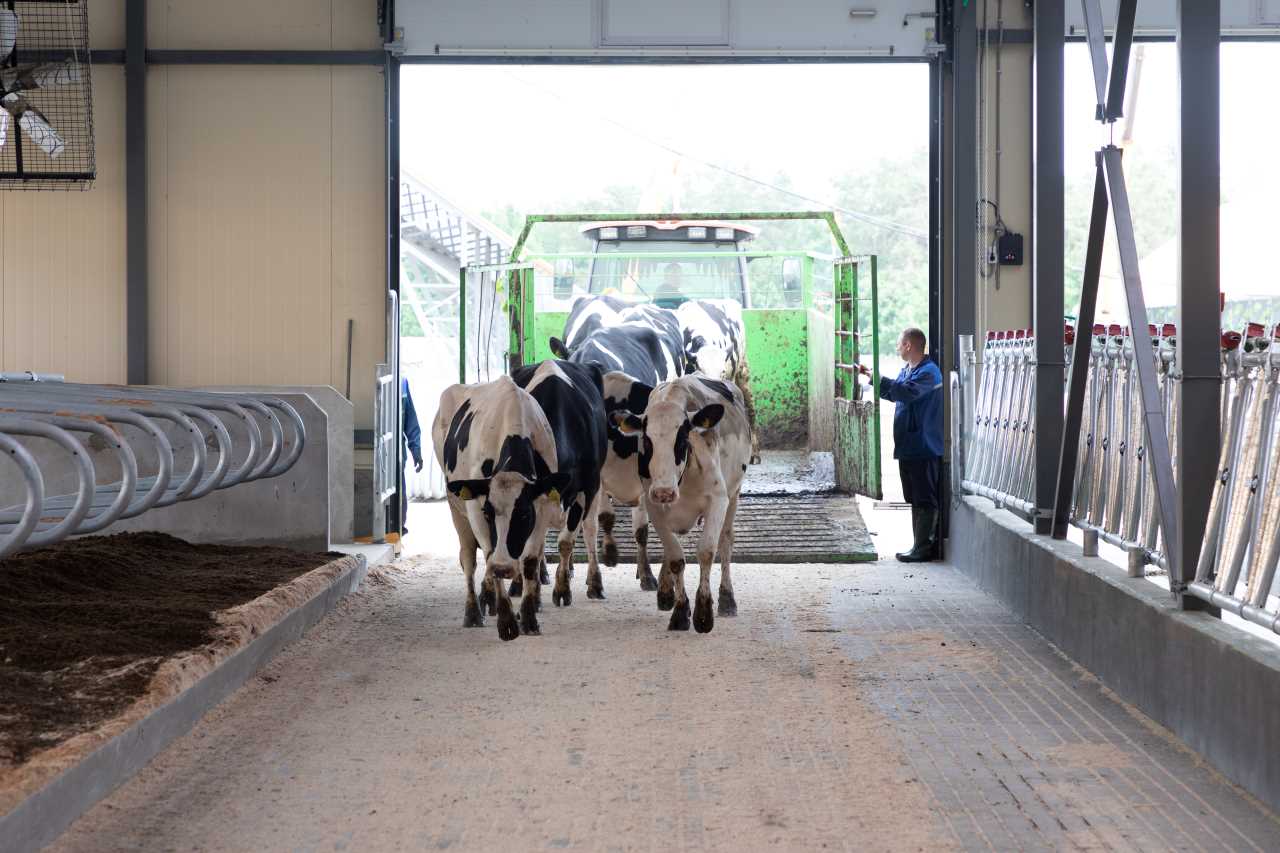
Before the enactment of this new royal decree, the legal framework for animal welfare in Spain was characterized by considerable fragmentation. Although Law 32/2007 already established the foundations for animal protection in farming and transport, the implementation of official welfare controls fell to the autonomous communities without a centralized structure to ensure uniformity and effectiveness.
Limitations of the Previous Model:
- Disparity of CriteriaThe interpretation of ethological or technical concepts (such as “thermal comfort” or “manipulatory material”) varied between regions, which made coordination on welfare difficult and generated legal uncertainty for animal operators on farms.
- Lack of Permanent Scientific SupportAlthough working groups existed, there was no legally designated national welfare reference body to provide consistent scientific advice and validate animal-based welfare indicators.
- Administrative DisconnectionSectors such as transport, animal health and welfare were often managed in silos, ignoring that chronic stress is a predisposing factor for infectious diseases and increased antimicrobial consumption, affecting the health of agri-food production.
Royal Decree 69/2026 addresses these gaps by establishing a coordination committee that includes not only the Ministry of Agriculture and the regional governments to ensure consistency in official controls and other activities, but also other key departments such as the Ministry of the Interior, the Ministry of Transport, and the Spanish Agency for Food Safety and Nutrition (AESAN). Furthermore, it includes a representative from each region, guaranteeing that the local perspective is heard in the development of common procedures.
One of the most anticipated developments has been the formal designation, for a four-year period, of the consortium formed by the Institute of Agrifood Research and Technology (IRTA), the Autonomous University of Barcelona (UAB), and EXPASA Agriculture and Livestock as the National Reference Centre (NRC) for animal welfare. Its functions include providing scientific and technical support and validating new animal welfare indicators based on behavior and physiology.
3. Sectoral Impact by Livestock Species
The welfare regulations establish precise technical standards that affect the daily management of large and small livestock farms to ensure the care of the animals.
Specific impact on swine
Royal Decree 69/2026 establishes minimum free floor space requirements for each animal category, ensuring rest, mobility, and less aggressive behavior. Thus, the width of the concrete floor joists must be a minimum of 50 mm for piglets and 80 mm for production pigs and sows. This technical design aims to prevent hoof injuries and facilitate manure removal, reducing ambient humidity and improving animal health in the barn.
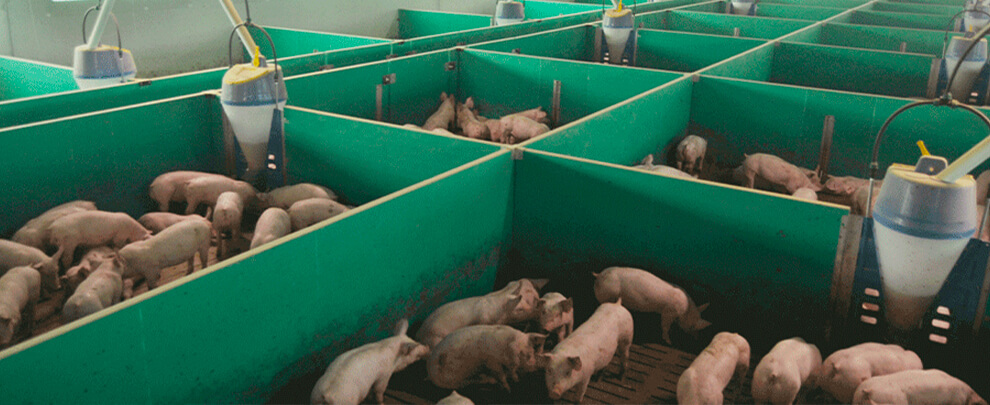
Maximum limits for harmful gases have also been set inside the buildings. Concentrations measured at head height must not exceed:
- Ammonia (NH3): 20 ppm.
- Carbon Dioxide (CO2): 3000 ppm.
Ammonia, a product of urea breakdown in slurry, is an irritant gas that predisposes animals to respiratory illnesses. The regulation requires that if these levels are exceeded, the operator must implement immediate corrective measures, such as improving ventilation or changing the frequency of pit emptying, under the supervision of the ministry’s coordination point.
To reduce stress and abnormal behaviors such as tail biting, it is now mandatory for sows to receive a diet with a minimum neutral detergent fiber (NDF) content of 15%. In addition, all pigs must have constant access to manipulable materials (straw, hay, wood, or synthetic materials) that stimulate their natural exploratory behavior.
Specific Impact on Cattle
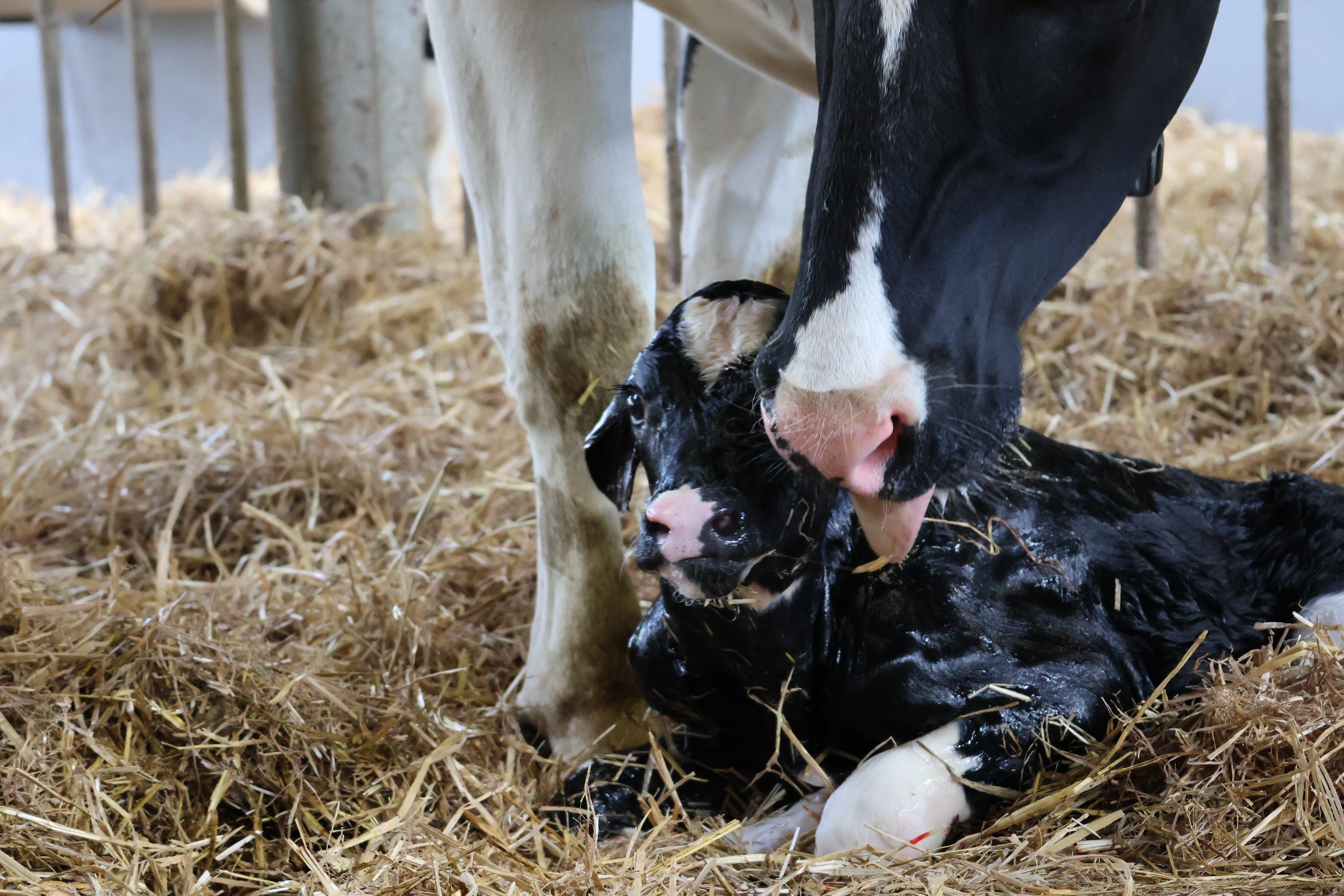
In cattle farming, the focus is on calf rearing and integrated farm management. Regulations prohibit keeping calves older than eight weeks in individual pens, except with veterinary prescription. In pens for younger animals, the walls must be perforated to allow visual and tactile contact with other calves, mitigating stress from social isolation.
A key physiological requirement for the welfare of animals used in dairy and meat production is the provision of bovine colostrum as soon as possible after birth and always within the first six hours of life, to ensure the transfer of immunoglobulins vital to their immune system. In addition, animals are required to have access to a minimum daily ration of fibrous feed to promote proper rumen development. It is mandatory for farm owners to implement a welfare plan that includes a risk assessment for natural disasters.
Specific Impact on Sheep and Goats
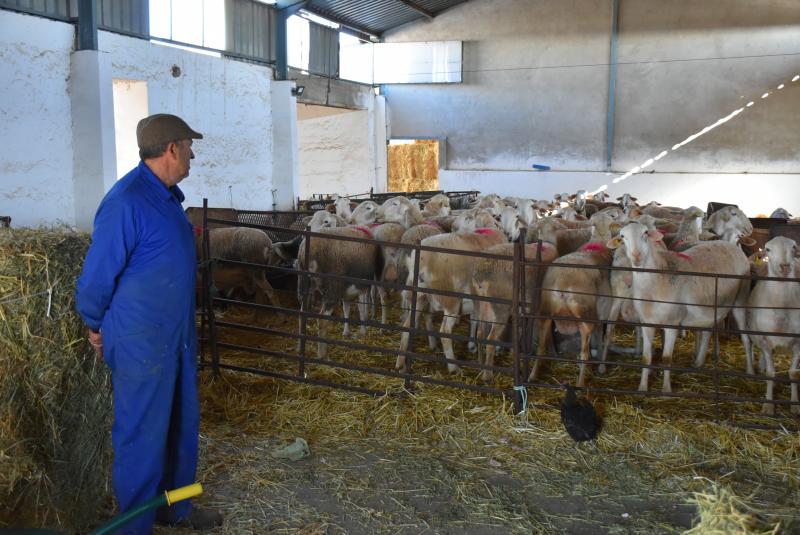
For small ruminants, the new Royal Decree and accompanying regulations for 2025-2026 strengthen health surveillance and hygienic management practices related to public health protection. Periodic animal health visits by a farm veterinarian are now mandatory. Following these visits, the veterinarian must issue a report assessing aspects of biosecurity, hygiene, and, crucially, animal welfare. The competent authority may require the development of a specific welfare plan if recurring deficiencies are detected.
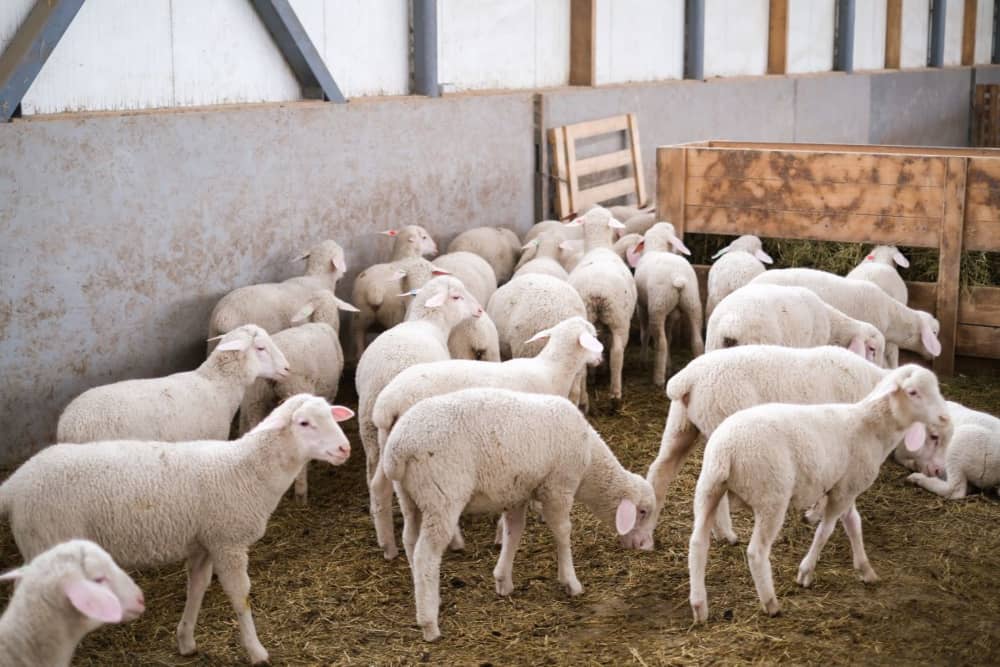
In terms of accommodation, the design of the facilities must ensure thermal comfort and avoid excessive competition for resources.
4. Physiological Dimensions of Animal Welfare
Royal Decree 69/2026 is not merely administrative; its technical limitations are based on solid scientific evidence validated by animal welfare reference centers (IRTA-UAB-EXPASA). Animal welfare is defined as the physiological state resulting from the animal’s adaptation to its environment.
The Neuroendocrine System and Stress
When an animal faces a challenge (lack of space, noise, heat), it releases cortisol. Cortisol is a key indicator that, at elevated levels, causes:
- Immunosuppression: Reduces the immune system’s ability to respond to pathogens.
- Metabolic Disorders: It mobilizes energy reserves inefficiently, reducing weight gain.
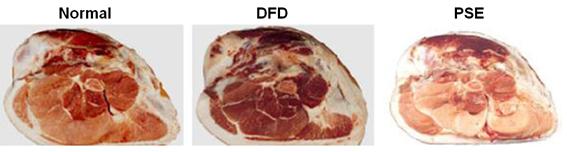
- Meat QualityAcute pre-slaughter stress depletes muscle glycogen reserves, resulting in PSE (pale, soft, and exudative) meat in pigs. o carne DFD (dark, hard and dry) in cattle.
Respiratory Physiology and Atmospheric Gases
The Royal Decree establishes strict limits for gases measured at the animals’ head level. Ammonia is an irritant gas that, when dissolved in the moisture of mucous membranes, forms ammonium hydroxide. Physiologically, concentrations above 20 ppm paralyze the cilia of the respiratory epithelium (cytotoxicity). Cilia are responsible for expelling particles and pathogens; their paralysis allows environmental bacteria to reach the alveoli, causing severe bronchopneumonia that affects food safety and nutrition.
Acoustic Sensitivity and Behavioral Ecology
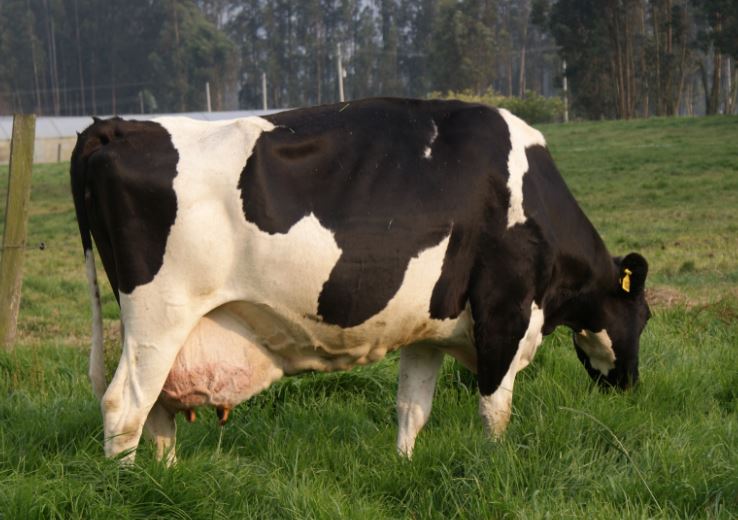
Animal welfare and protection include noise control. Regulations limit continuous noise to 85 dB. Livestock have a wider and more sensitive hearing range than humans. Sudden or persistent noises above this threshold increase heart rate and blood pressure. In dairy cows, noise stress inhibits the release of oxytocin, which can reduce milk production by up to 20%.
5. Conclusions
Royal Decree 69/2026 represents the consolidation of a livestock system based on scientific evidence and efficient administrative coordination regarding animal welfare and protection. By working in coordination with EU reference centers, the government ensures that standards evolve in line with veterinary science.
For livestock farmers, the transition involves a significant effort in digitalization (gas logs, welfare records) and infrastructure improvements to comply with official animal welfare regulations. However, the physiological benefits are undeniable: a reduction in cortisol and ambient ammonia levels translates directly into a better immune response, higher quality in the final product, and ultimately, greater profitability and sustainability for the Spanish sector.


 Ambiotec Solutions